



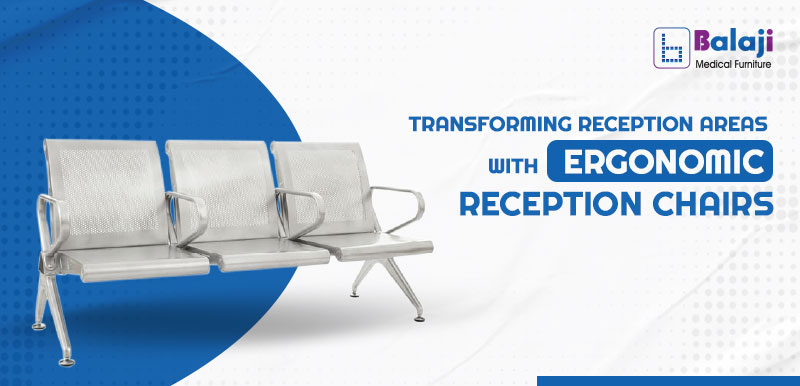
Transforming Reception Areas with Ergonomic Reception Chairs

Reception Chairs Choosing Guide
Reception Chairs play a critical role in shaping the first impression of any office, hospital, or commercial space. From corporate offices to clinics, the comfort and design of Reception Chairs directly impact visitor experience. Poor seating creates discomfort, frustration, and a negative brand perception—something no business can afford today.
Modern reception areas demand more than just looks. They require ergonomic support, durability, and functionality, especially in high-traffic environments where people may wait for long periods.
Why Reception Chairs Matter More Than You Think
A reception area is not just a waiting space. It is a brand statement.
Visitors subconsciously judge professionalism based on:
- Seating comfort
- Chair quality
- Layout and cleanliness
Uncomfortable or outdated seating sends the wrong message. Ergonomic Reception Chairs solve this problem by balancing design and user comfort.
What Makes a Reception Chair Ergonomic?
Ergonomics is not a marketing buzzword. It’s about reducing physical strain.
An ergonomic reception chair is designed to:
- Support natural posture
- Reduce pressure on the spine
- Offer comfort during extended waiting times
Key ergonomic features include:
- Contoured backrests
- Proper seat height
- Adequate lumbar support
- Firm yet comfortable cushioning
Ignoring ergonomics leads to fatigue, restlessness, and dissatisfaction—especially in hospitals and clinics.
Reception Chairs vs Patient Waiting Chair: Know the Difference
Many people confuse standard Reception Chairs with a Patient waiting chair, but their use cases differ.
Reception Chairs are ideal for:
- Corporate offices
- Hotels
- Salons
- Business centers
Patient waiting chairs are designed for:
- Hospitals
- Clinics
- Diagnostic centers
A Patient waiting chair focuses more on:
Easy cleaning
Strong weight-bearing capacity
Long-duration comfort
Choosing the wrong type can reduce comfort and increase maintenance issues.
Importance of Waiting Chairs in High-Traffic Areas
Waiting chairs are essential in places where people sit for long durations.
Examples include:
- Hospitals
- Government offices
- Banks
- Educational institutions
Poor-quality waiting chairs wear out quickly and increase replacement costs. Ergonomic waiting chairs last longer and improve user satisfaction.
Benefits of quality waiting chairs:
Build Quality
- Reduced physical strain
- Better posture support
- Higher durability
- Professional appearance
Cheap seating always costs more in the long run.
Types of Reception Chairs Based on Space and Use
Choosing the right reception chair depends on layout and footfall.
1. Single Reception Chairs
Best for:
- Small offices
- Executive reception areas
They offer flexibility and a premium look.
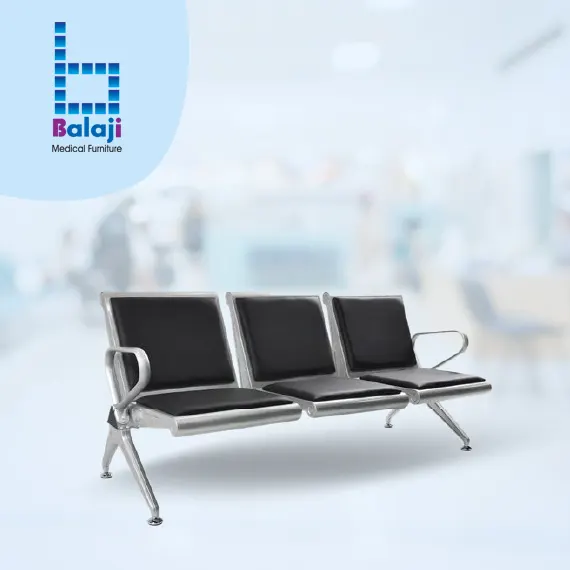
2. Linked Waiting Chairs
Ideal for:
- Clinics
- Hospitals
- Public offices
They ensure organized seating and better space utilization.
3. Cushioned Waiting Chairs
Perfect for:
- Long waiting times
- Patient-focused environments
These chairs reduce discomfort during extended use.
Materials That Matter in Reception Seating
Material choice affects durability, hygiene, and maintenance.
- Metal frames – Strong and long-lasting
- Molded plastic – Easy to clean and lightweight
- Fabric upholstery – Comfortable but needs maintenance
- Leather or PU – Premium look and easy cleaning
For hospitals, Patient waiting chairs should always use easy-to-sanitize materials.
How Ergonomic Reception Chairs Improve Business Image
Comfort influences perception.
When visitors feel comfortable:
- They are more patient
- They trust the organization more
- They associate comfort with professionalism
Well-designed Reception Chairs silently communicate that your business values people, not just profits.
This is especially important in healthcare spaces, where anxiety levels are already high.
Buying Tips: How to Choose the Right Reception Chairs
Before purchasing, ask these questions:
- How long do visitors usually wait?
- Is the space high-traffic?
- Does it need frequent cleaning?
- Is durability more important than aesthetics?
Smart buying checklist:
- Ergonomic back support
- Strong frame construction
- Easy maintenance
- Space-efficient design
- Warranty coverage
Avoid buying based only on appearance. Comfort and durability matter more.
Maintenance Tips for Long-Lasting Waiting Chairs
Even the best waiting chairs need proper care.
Simple maintenance practices:
- Regular cleaning
- Tightening loose fittings
- Avoiding overloading
- Replacing damaged cushions early
This extends chair life and keeps the reception area looking professional.
FAQs
Ergonomic chairs with cushioned seats and strong frames work best for office reception areas.
Yes. Patient waiting chairs are designed for longer sitting durations, hygiene, and medical environments.
It depends on average footfall. Always plan seating for peak hours, not daily averages.
Metal frames with PU or molded plastic seating are ideal for durability and easy maintenance.
Yes. They reduce discomfort, improve posture, and enhance visitor satisfaction.
Final Thoughts
Investing in ergonomic Reception Chairs is not optional anymore. It’s a necessity for businesses that care about comfort, professionalism, and long-term value. Whether it’s a corporate office, clinic, or hospital, the right waiting chairs and Patient waiting chair solutions transform reception areas into welcoming, functional spaces.
If your reception seating is outdated, uncomfortable, or poorly designed, it’s time to upgrade—because first impressions are permanent.